
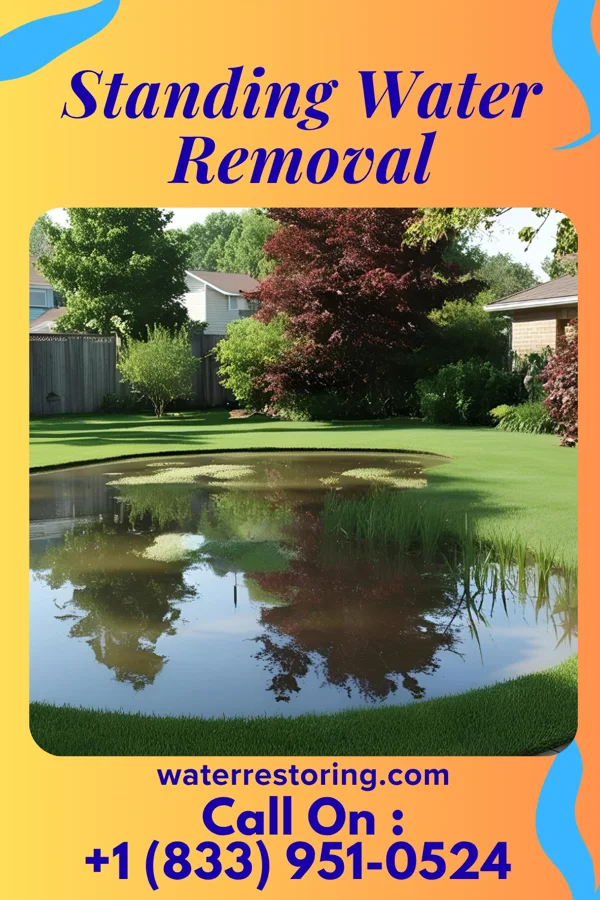
Standing Water Across Arlington Neighborhoods
Every neighborhood in Arlington has a different water damage risk profile. The one that shows up on most restoration calls is In Arlington, Texas, primary water damage often stems from plumbing failures in residential and commercial buildings, especially in areas like Dalworthington Gardens and Pantego where older infrastructure can lead to leaks and bursts. Additionally, heavy rainfall during the spring and summer months frequently causes water intrusion in basements and low-lying neighborhoods such as Grand Prairie.. A close second is Secondary causes include sewer backups, especially in areas near the Trinity River, and malfunctioning HVAC systems that lead to condensation and mold growth. Stormwater runoff from nearby highways and industrial zones also contributes to water damage in neighborhoods like Arlington Heights and Irving..
Arlington's humid subtropical climate, with frequent thunderstorms and high humidity, increases the risk of water damage year-round. The region's warm temperatures accelerate mold growth, making rapid response critical to prevent long-term structural issues.
Water damage in Arlington follows a few local patterns. In Arlington, Texas, primary water damage often stems from plumbing failures in residential and commercial buildings, especially in areas like Dalworthington Gardens and Pantego where older infrastructure can lead to leaks and bursts. Additionally, heavy rainfall during the spring and summer months frequently causes water intrusion in basements and low-lying neighborhoods such as Grand Prairie. accounts for the bulk of our calls. Arlington's humid subtropical climate, with frequent thunderstorms and high humidity, increases the risk of water damage year-round. The region's warm temperatures accelerate mold growth, making rapid response critical to prevent long-term structural issues. Mold can develop within 24 hours in Arlington due to the high humidity and frequent rainfall, making it essential to address water damage immediately to prevent health hazards and property loss.